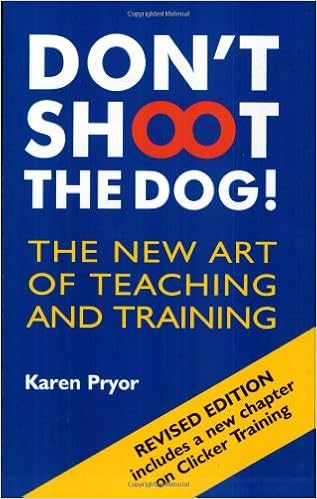
Just started this book, Don’t shoot the dog, by Karen Pryor. Recommended by Tim Ferriss.
When I have done reading it I will edit this post with some reflections and feedback :)
The following two tabs change content below.


Craig Lambie is a versatile leader with over 20 years of experience across the IT, finance, and property sectors in Australia and the UK. He specialises in bridging the gap between commercial strategy and technical execution, having led multi-million-pound property developments while simultaneously driving digital transformation and AI-driven automation initiatives.
With a deep technical background in software development and systems optimisation, Craig excels at implementing automation and AI tools to streamline operations and deliver measurable cost savings. His expertise spans senior IT project management, property development (GDV £10m+), and business consulting for startups and scale-ups.
An advocate for sustainability, Craig integrates renewable energy and ESG principles into his projects, focusing on tech-enabled solutions for the energy transition. He holds a Bachelor of Economics and Finance from RMIT and is known for his ability to engage diverse stakeholders—from C-suite executives to technical teams—to deliver high-impact, commercially focused results.
Craig is currently focused on, and passionate about bringing Deliberative Democracy to the world with Deliberative Super and campaigning political players to adopt it.
Latest posts by Craig Lambie (see all)
- Living Room / Kitchen Table Conversations - June 28, 2026
- Community Strong Starts in the Right Place. But Democracy Needs Better Ears - June 25, 2026
- NeoDb – display shelf on WordPress - April 16, 2026

[…] have also been looking in more, looking at my behaviour (as well as my diet). The Don’t shoot the dog book was all about this too funnily enough, and a great complement for the physical behaviour […]
[…] Max impact 15 minutes per day. Low, easy to achieve goals is key when you are starting out. Be happy to fail – give yourself 10 chances to restart this until you get it. Forming a new habit is hard, and can take from 21 to 60 days. You might need an incentive to do it at first too. So reward yourself every time you get a part done. The aim is to set the habit at first, the rewards can drop back once the habit is formed.5 […]